

Undersea Tobago
Undersea Tobago
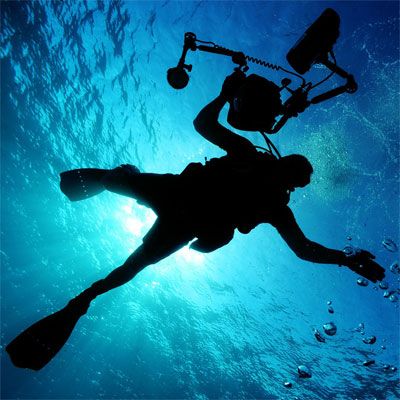
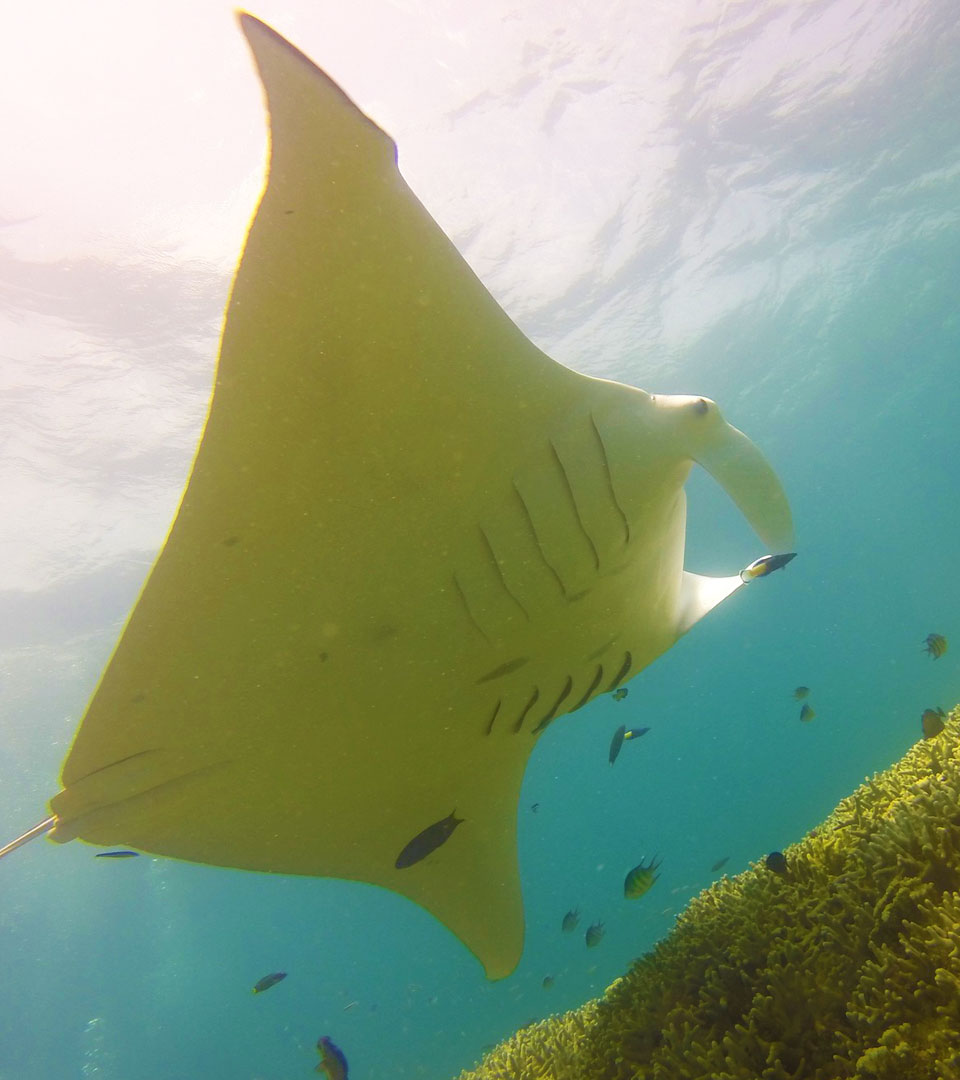
Undersea Tobago, a PADI Dive Resort is situated on the Coco Reef Resort's private beach. Easy to reach and still close to the most spectacular dive sites to be found around Tobago.
- Scuba Diving -
An experience for the entire family
Our Dive Services
- Dive Charters
- Snorkeling Charters
- PADI Tuition
- SASY Diver
- Bubblemaker
- Discover Scuba Diving
- Scuba Diver
- Open Water Diver
- Open Water Referrals
- Advanced Open Water
- PADI Dive Specialties
- Equipment: Sales | Rental | Service
SASY Supplied Air Snorkeling For Youth
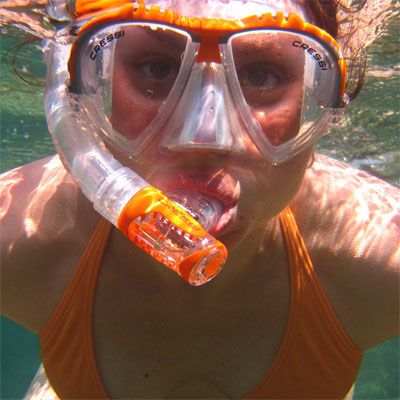
Enjoy the underwater world the easy way, by snorkeling with scuba equipment.
Duration: 1 hour | Ages: 6 - 7
PADI Bubble Maker Program
Whether it's a glass of milk or underwater, you can't help blowing bubbles! Plunge 2m into the PADI Bubble maker program.
Duration: 1 hour | Ages: 8 - 9
PADI Discover Scuba Diving
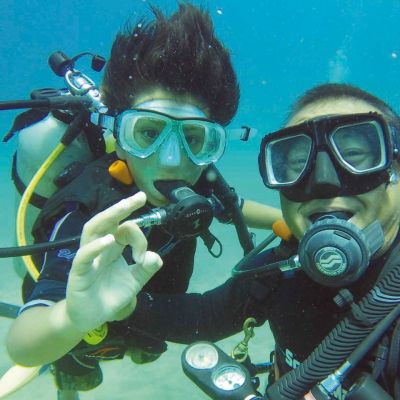
During the PADI Discover Scuba Diving program, you and your family will master basic skills that allow you to visit the reef at 10m. Get yourself and your family diving today! Skills learnt here earn credit towards the PADI Open Water Diver course.
Duration: 2 1/2 hours | Ages 10+
PADI Open Water Diver
Would you like to be more self-reliant underwater? Start the journey of a lifetime with the PADI Open Water Diver course, you will be forever changed. In this program, your PADI Instructor takes you through the basics of learning how to scuba dive.
You'll start in pool-like conditions and progress to the ocean, getting the background knowledge along the way and earning a diving certification to a depth of 18m. Becoming a diver opens a door to a whole new world, open yours and step through.
Duration: 4-5 days | Ages 10+
PADI Referral Program
You're a step ahead, having completed the theory and skill development requirements at your local dive centre prior to your Tobagonian vacation. Complete the four qualifying dives with us in the PADI Referral program to earn your Open Water Diver certification. We also do Universal Referral Programs for both NAUI and SSI
Duration: 2 days | Ages: 10+
- PADI E-Learning -
Complete your courses online
Sign up for PADI eLearning and complete the academic requirements for courses online, prior to your arrival.

- PADI E-Learning -
Complete your courses online
Sign up for PADI eLearning and complete the academic requirements for courses online, prior to your arrival.
- Undersea Tobago -
An authorized PADI Dive Resort
- Undersea Articles -
Straight from the Dive Blog